Planting New Futures
A conversation with Sam Murray from Brooklyn Grange


A conversation with Sam Murray from Brooklyn Grange
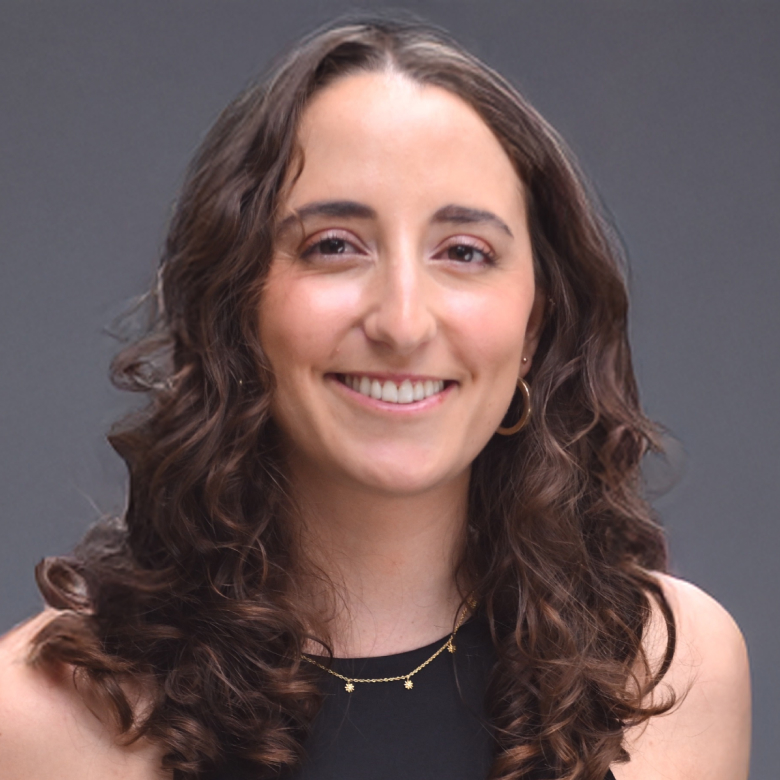
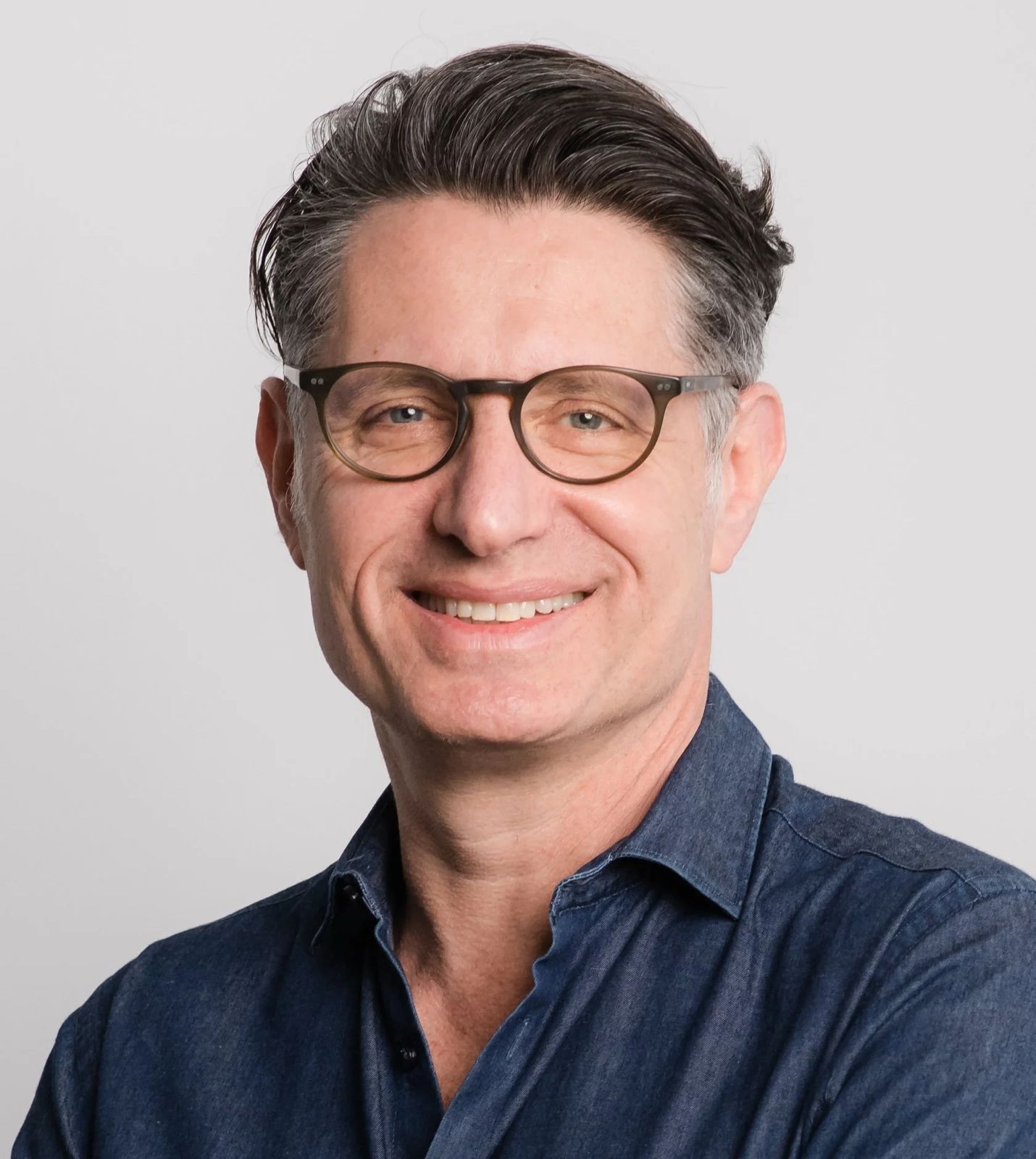
Sam didn’t always grow vegetables. For nearly two decades, he worked in the plastics industry, helping multinational companies design packaging, manage supply chains, and improve efficiency. But somewhere along the way, that story no longer made sense. He began to question how things were made, who they served, and what kind of world they were leaving behind.
Sam is the CEO at Brooklyn Garage, located in NYC and one of the largest rooftop farming operations in the world. We sat down with him to talk about the long arc of his career and what happens when you start asking better questions.
Sam: I co-founded an e-commerce platform supporting small-batch food producers and later joined startups focused on sustainability. I worked on removing plastic from beverages, using seaweed-based packaging, and developing business models that aligned better with the future I wanted to help build. At some point, I realized that sustainability had to be that simple. If you require industry or consumers to make habit-forming changes, it takes a tremendous amount of capital and time, and we no longer have the time to wait.
That’s when Brooklyn Grange came back into my orbit.
I’ve only been at Brooklyn Grange for six months, but it’s been a long journey getting here. For the first 18 years of my career, I was in plastics, manufacturing parts for companies like Coca-Cola and Johnson & Johnson. At one point, we developed a plastic made entirely from post-consumer waste, it was cost-effective and brand-ready, but companies weren’t willing to adopt it. At that moment I realized that even with a good technical solution, change doesn’t happen without the right incentives.
Eventually, I left, I sold my stake in the company and started over. I co-founded an e-commerce platform for small-batch food producers and worked on startups focused on sustainability, seaweed-based packaging, and plastic-free solutions. I realized that real sustainability had to be simple. If a solution requires massive habit shifts or capital, it might be too slow, and we no longer have the time to wait. That’s when Brooklyn Grange came back into my orbit.
Sam: The simplicity. And the urgency. We’re currently facing massive urbanization and accelerated climate change. Brooklyn Grange was solving both large and small problems at once. On one hand, it’s about climate adaptation, mitigating urban heat, managing stormwater, increasing biodiversity. On the other, it’s about giving people access to green space, fresh produce, and a sense of belonging. That’s the kind of city I want to help build.
What excited me most about Brooklyn Grange was how quickly it could move from concept to installation, how fast it could make a real environmental and social impact. I realized how critical this work is, and I wanted to help expand it across New York and beyond.
Sam: We currently operate 4.7 acres in total. We grow a wide variety of fruits, vegetables, and flowers. About 30 percent goes to green markets around the city. The rest supports low-income communities and neighborhoods in crisis. That’s core to our DNA, growing and providing food where it’s needed most, and educating people about the importance of green space and access.
We also work with City Growers, a nonprofit that brings school groups to the farm. It’s incredible to watch kids meet chickens and farmers and realize that vegetables don’t only grow out there in the countryside. They can grow right here in Brooklyn, on a roof.

Sam: Not at all. It’s also about training. Urban landscaping is complex. Running a farm on a rooftop is one of the most challenging environments you can work in. So we train all our landscaping teams in that setting. When they go out to build or maintain other green roofs, they’re incredibly skilled, efficient, and capable of delivering high-quality work fast.
And then there’s the community side. These farms become gathering places. New York has many public spaces that are technically open but underused, plazas, rooftops, concrete courtyards. When you add green space, everything changes, people come together, there’s joy, and connection.
Sam: Stormwater mitigation is huge. Green roofs can absorb up to 65 percent of rainfall, preventing sewer overflows and waterway pollution. They reduce the urban heat island effect, lower energy costs, and improve air quality. At the Javits Center, our rooftop farm supports their kitchen, supplies food banks, and has increased pollinator activity. And we’re not just at Javits. We build 20 to 25 projects a year and maintain over 100 across the city.

Sam: Absolutely, this can and should exist everywhere. Green roofs protect buildings, reduce emissions, and extend membrane life.
Large civic buildings are growing interested in making them more sustainable and more connected to their communities. We’re seeing those spaces become more vibrant, not just commercially, but culturally. The High Line is a great example of that shift, a new kind of public space that invites people in. Green space is no longer a luxury, it’s part of what defines a livable city.
Sam: We’re focused on three big areas that all push toward a larger goal, building what we hope becomes a true green roofing movement.
First, making rooftops revenue-generating so they can be functional but also financially sustainable. Some of our farms double as event venues for weddings, corporate gatherings, and community celebrations. Second, we’re building data partnerships to measure impact, from stormwater retention to pollinator activity, giving clients real ESG insights. Third, we want to scale. We’re partnering with public and private institutions to expand green roofs citywide. The green roofing movement is about more than planting on buildings.
Sam: That’s a great question. And honestly, that’s one of the areas I’m focusing on right now, the data piece. How do we quantify something that’s so experiential? What’s the best way to explain and communicate the value these spaces create for the community?
When someone visits a rooftop farm for the first time, it is very powerful because something shifts in them. But we need better ways to communicate that impact because if we could measure the emotional and civic value of these spaces, we can make a stronger case for building more of them.
Sam: The most inspiring part for me is working with our farmers and knowing the level of dedication they bring every day. Farming on a New York rooftop is not the cheapest or easiest way to grow food, but we believe everyone in the company deserves a living wage. That matters to us deeply; Fairness and equity are not negotiable.
And so we find ourselves in a high cost environment, trying to grow food that’s still accessible to the communities who need it most. That balance is hard, but they do it. Whether it’s a hot day, a cold day, or uncertain weather, they adapt and care for the soil.
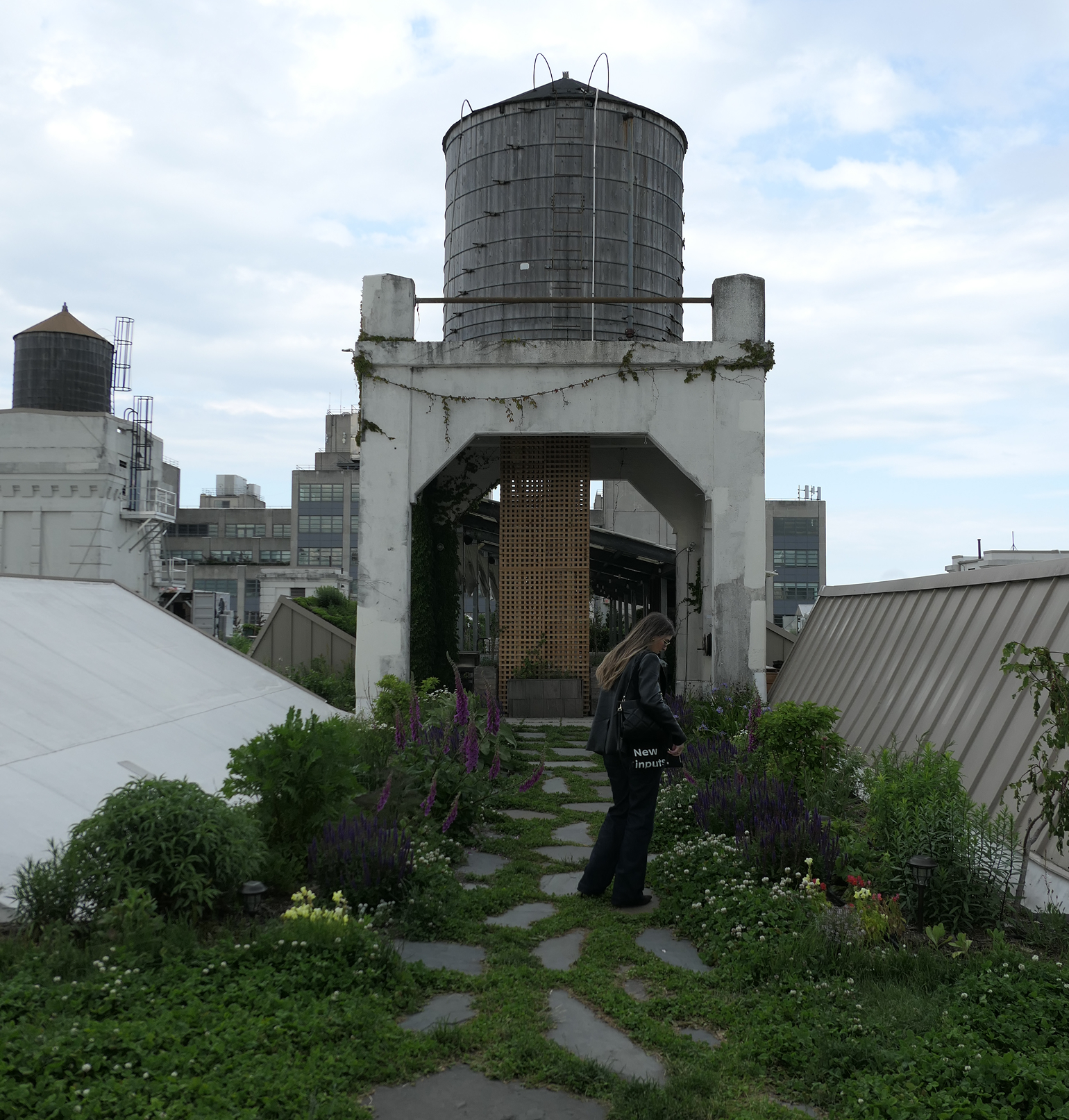
In a city built on concrete and velocity, Brooklyn Grange is proof that a slower, softer future is still possible. Sam showed us that sustainability doesn’t always come from new technologies, sometimes it starts by seeing the city not as a machine but as an ecosystem, where people, business, and nature grow together.
Brooklyn Grange revealed the infinite possibilities that emerge when we reimagine the purpose of unused spaces, where rooftops become places to farm, produce, teach and gather the community.