How Culture Designs Identity.
How South Korea turned skincare into cultural infrastructure, where retail, ritual, and inheritance quietly design identity.


How South Korea turned skincare into cultural infrastructure, where retail, ritual, and inheritance quietly design identity.
Identity is rarely built from a single place. It forms at the intersection of what is personal and what is inherited, between individual experience and the environment that shapes us over time. There are traits we feel are ours, habits we adopt without noticing, and ways of understanding the body, time, and wellbeing that we do not necessarily choose, yet end up inhabiting.
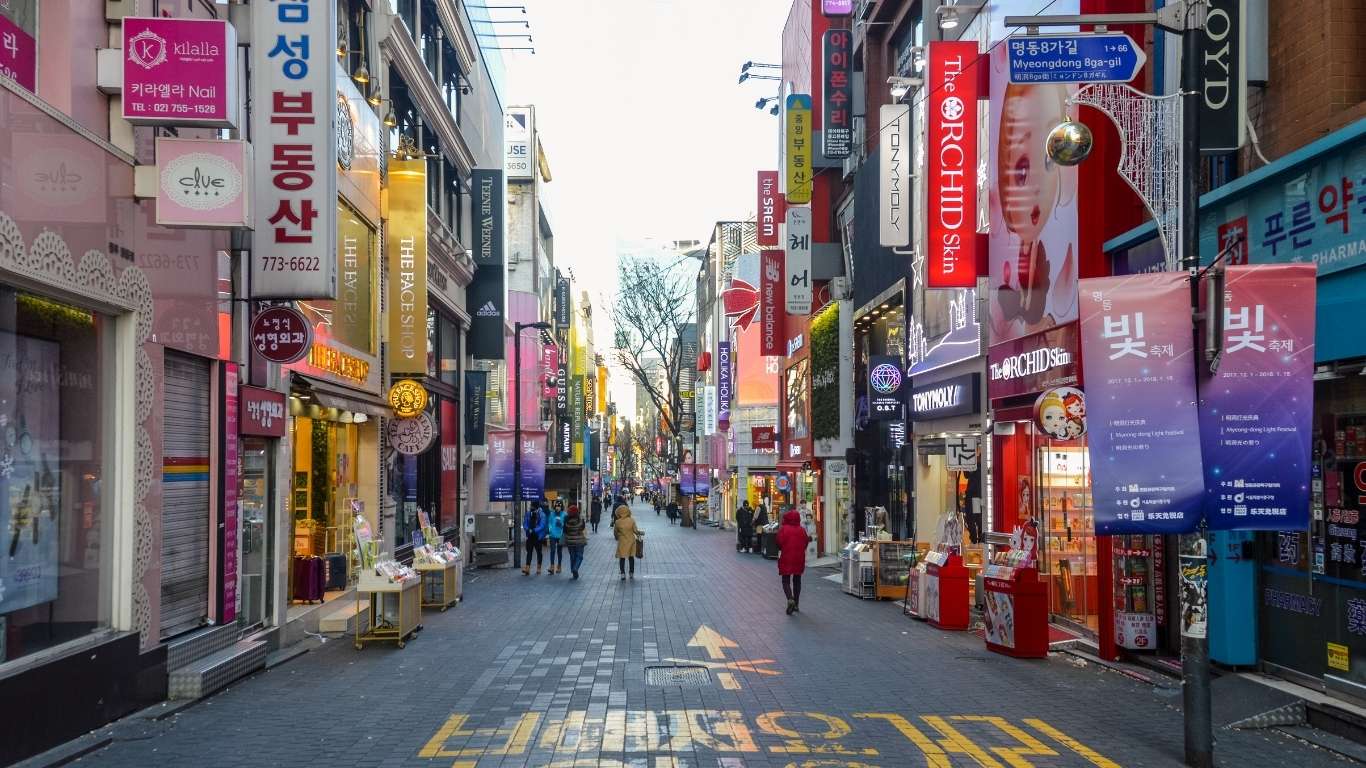
In South Korea, that construction is visible. Not because it is declared, but because of how it is practiced.
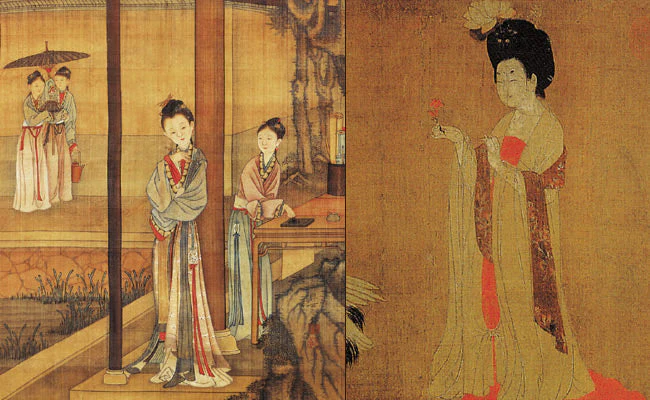
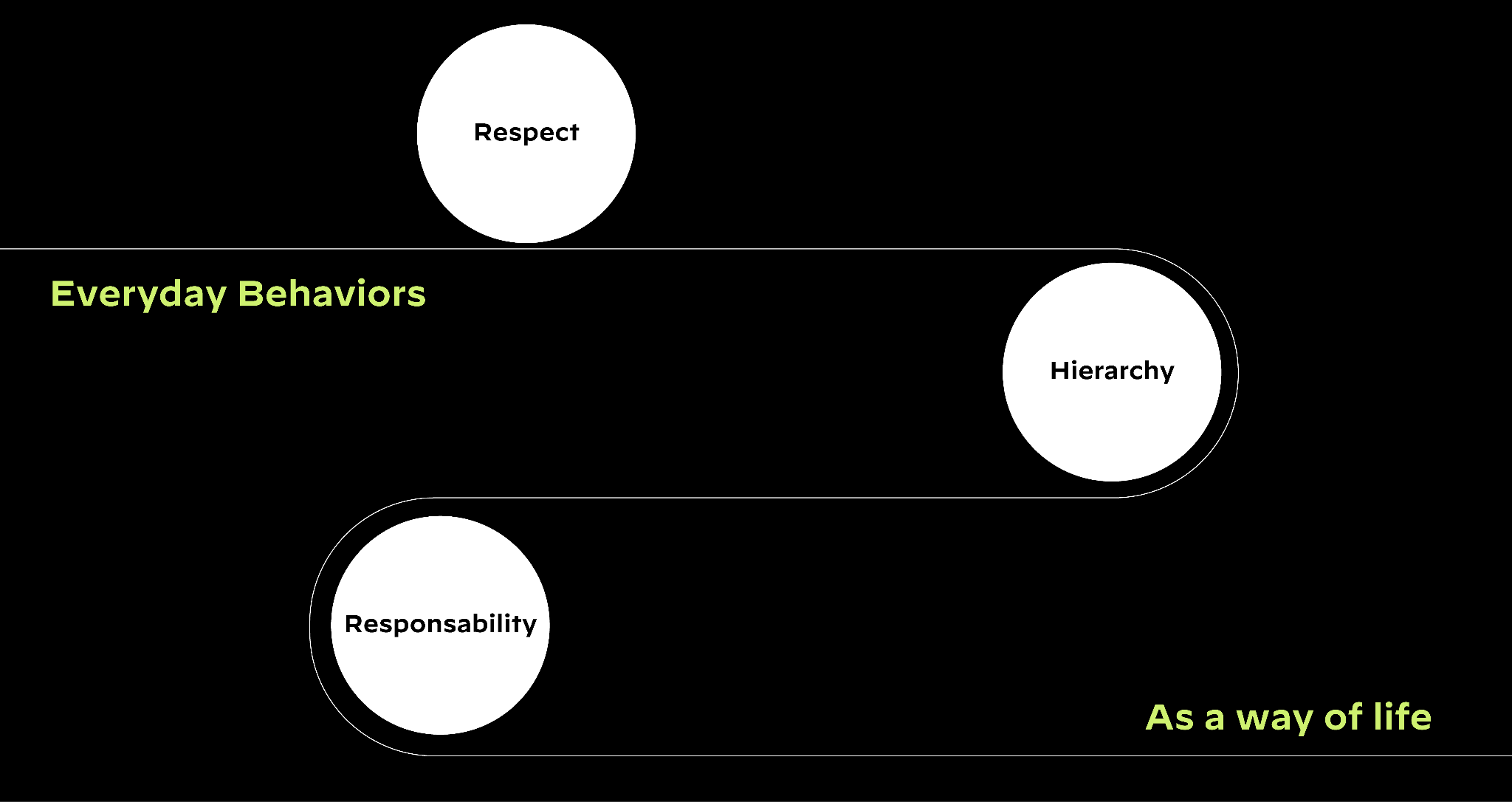
For centuries, a Confucian tradition has defined how concepts such as respect, hierarchy, and responsibility are understood. Not as abstract ideas, but as everyday behaviors. As discipline. As a way of life. In this context, the body is not only individual. It is inheritance. There is a deeply rooted belief: skin, hair, and appearance are a legacy received from one’s parents. Caring for them is not just an aesthetic choice. It is a form of consideration.
This logic transforms the meaning of care. Skincare stops being a consumption category and becomes a sustained practice over time. It does not respond to immediate correction, but to consistency. It does not seek to intervene, but to maintain. It is not an isolated gesture, but a structure that accompanies daily life.
This is why, when observing the Korean beauty system, what emerges is not only innovation. It is a laboratory in constant evolution.
An ecosystem where traditional medicine coexists with advanced dermatology. Where scientific formulation blends with ancestral ingredients. Where retail operates as a real-time cultural reading engine. And where personal care is embedded in everyday life, rather than reserved for exceptional moments.
In spaces like Olive Young, beauty is not organized through static categories, but through signals in motion. It operates as a distributed intelligence system where every touchpoint, from product rotation to shelf placement, functions as a mechanism of capture and response.
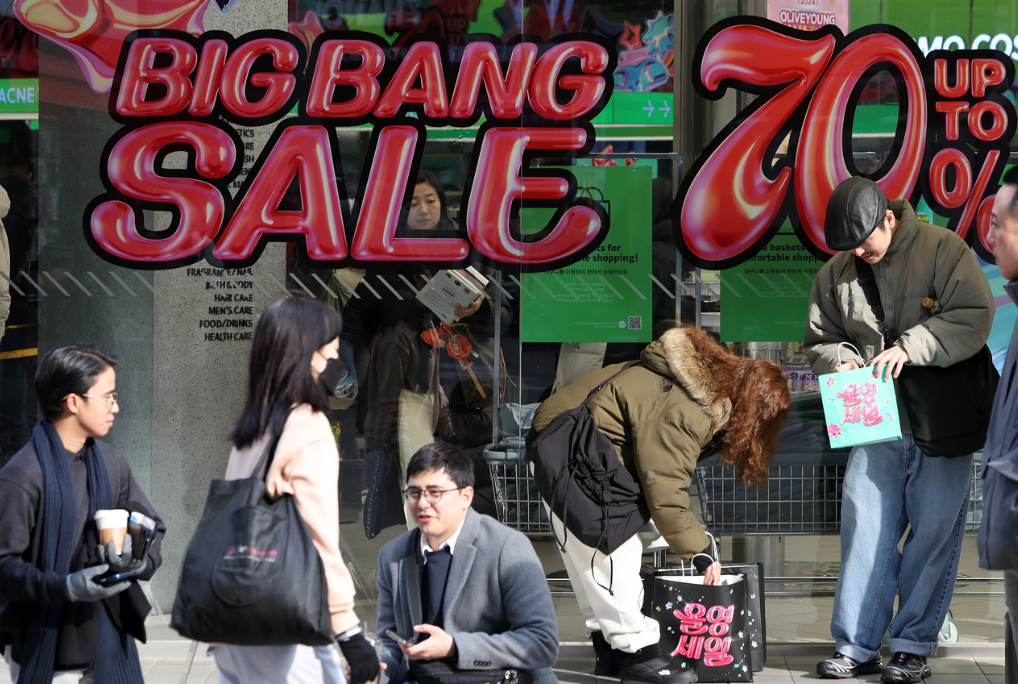
Consumer behavior is not observed from a distance; it is directly integrated into decision-making. Curation does not respond only to brand or positioning, but to performance. What moves, what repeats, what gains traction. The store behaves like a living organism, constantly adjusting its composition based on emerging signals.
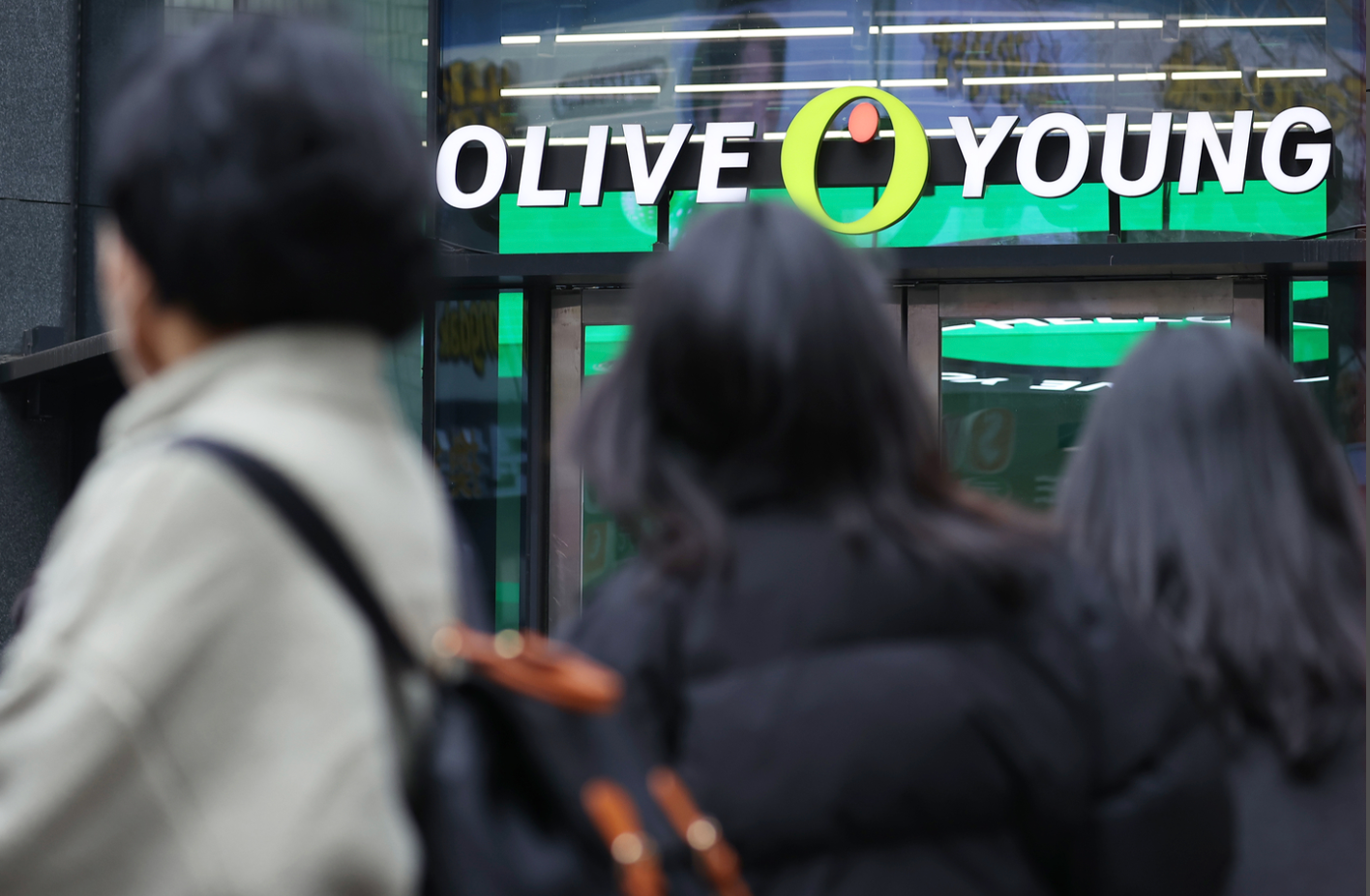
But what matters most is not only the efficiency of the business. It is its effect.Every display decision, every product that appears or disappears, defines which forms of care become visible, desirable, and eventually habitual. The system does not just respond to identity. It builds it.
Repetition turns choice into habit.
Habit into standard.
Standard into identity.
In this context, identity stops being entirely individual. It becomes partially collective, shaped by an environment that continuously proposes, validates, and reinforces certain ways of seeing and caring for oneself. Olive Young does not simply reflect what people want. It structures how that desire evolves.
What happens here is strategic. Retail stops being distribution and becomes cultural infrastructure. A system capable of translating behavior into decisions at high speed, reducing the distance between what emerges and what consolidates. Operationally, this means shorter validation cycles, higher sensitivity to weak signals, and an increased ability to scale emerging categories.
Culturally, it means something deeper. Identity becomes dynamic.
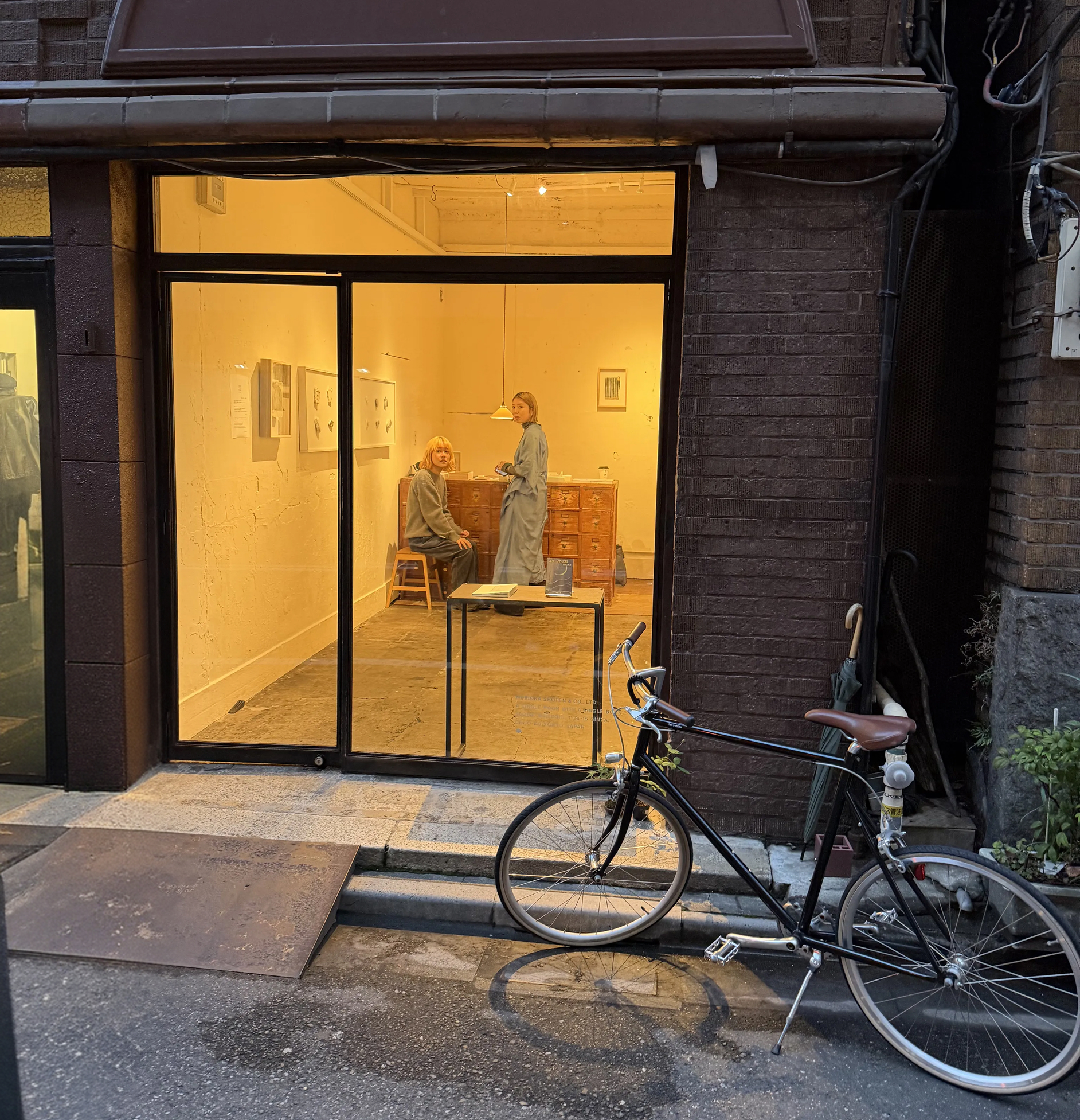
In places like Amore Seongsu, this logic extends further. The product is no longer a finished object; the process becomes visible. Diagnosis, formulation, and experience converge within the same space, transforming the relationship between brand and consumer into something closer to a system than a transaction. The individual does not simply consume; they participate in the construction of what they use.

Here, innovation does not begin only in the lab. It begins in culture.
This is why South Korea does not just export products. It exports a way of understanding care. One where prevention carries more weight than correction, where repetition builds results, and where aesthetics are the consequence of a deeper structure.
The K-beauty phenomenon is often explained through its surface: luminous skin, uniformity, a polished appearance that has redefined global standards. Yet that surface is only the visible expression of a more complex system. A culture that has managed to translate its values into formulations, rituals, spaces, and business models that operate with consistency.
What matters is not the trend. It is the logic that sustains it. And that logic cannot be understood from a distance.
Understanding how Korea turns culture into system requires observing how decisions are constructed in context. How different actors within the ecosystem connect. How an idea moves from formulation to retail, and from there into everyday life.
Over four days in Seoul, that system becomes legible. Not as a series of visits, but as a learning structure designed to decode how innovation works in real time. An immersion that begins with access to the ecosystem and evolves into abstraction: identifying patterns, translating signals, and building strategic logic.
From there, the approach shifts. Observation stops being passive. It becomes action. Ideas are tested, translated, and reconfigured into applicable decisions. And eventually, they are amplified: into new initiatives, strategic connections, and new ways of reading one’s own business.
What emerges is not only understanding, but capability.
The ability to identify opportunities before they become obvious.
To read the market beyond its surface.
To translate culture into strategy.
But also, something more uncomfortable.
The ability to question one’s own identity.
Because if in Korea identity is built through systems that observe, respond, and shape behavior, then the initial question returns with greater weight.
How much of our identity do we actually choose?
And how much has been designed, repeated, and validated until it became invisible?
Looking toward Korea is not only about understanding how beauty works.
It is about recognizing that identity, like care,
is not something fixed.
It is a system in constant construction.