The Evolution of K-Beauty
How a beauty phenomenon became a blueprint for innovation, trust, and global industry influence


How a beauty phenomenon became a blueprint for innovation, trust, and global industry influence
For years, the world looked at South Korea through the skin. It saw it in skincare routines, impeccable packaging, and faces that seemed to move against time. What began as K-beauty eventually revealed something larger: South Korea’s ability to turn personal care into a cultural, technological, and commercial system with global influence. Today, that same capacity extends into dermatology, plastic surgery, and specialized medicine. South Korea is no longer only a reference point for skincare products; it is also positioning itself as a destination where aesthetics, health, technology, and medical experience all belong to the same ecosystem.
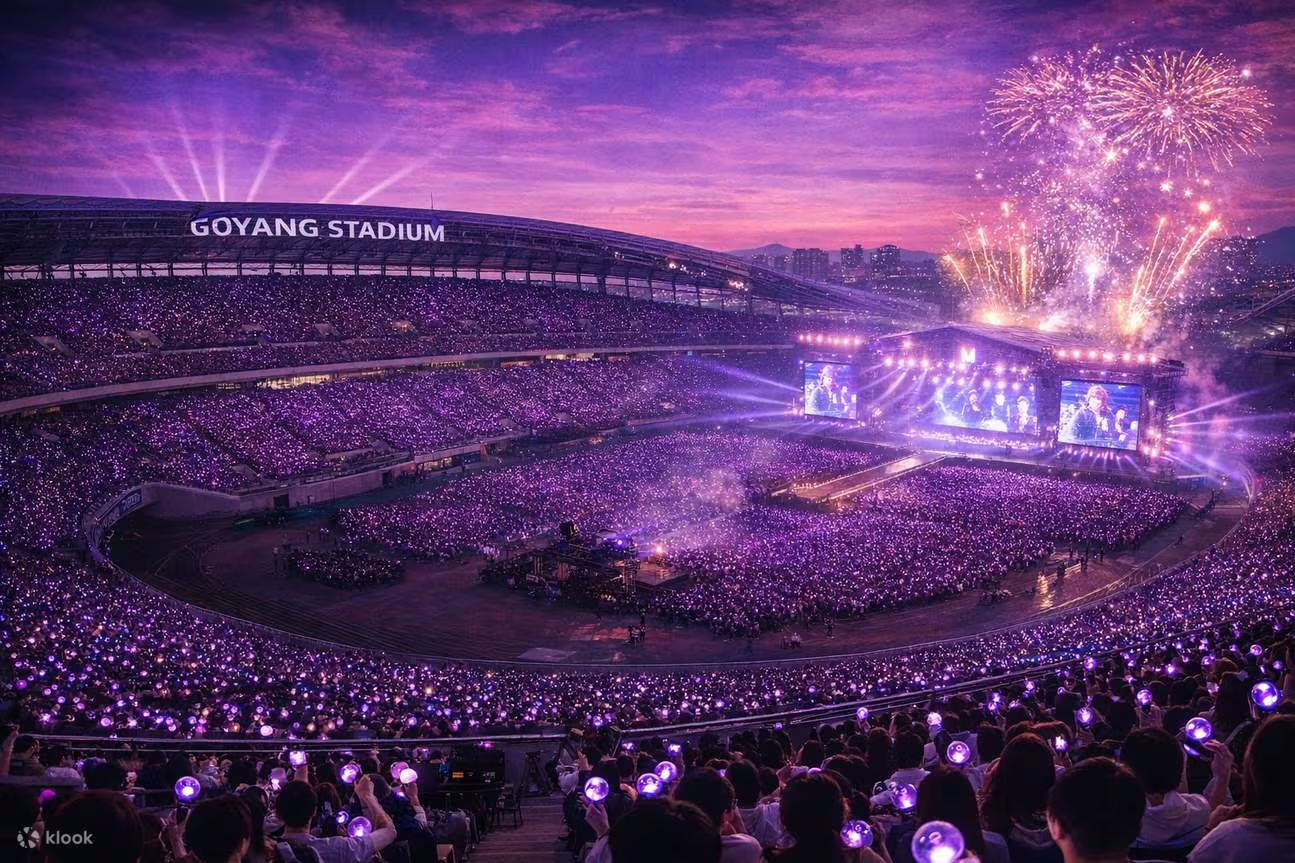
In that context, medical tourism began to integrate into a broader culture of care and beauty, one that is no longer understood only as a clinical act, but as a coordinated experience that can include appointment booking, medical information management, transportation support, accommodation, and guidance for international patients. In this model, medical care and the travel itinerary belong to the same system of attention, one that first took shape in the cosmetic sphere. For decades, Korea had been building a culture of care grounded in botanical ingredients, daily routines, and an idea of beauty tied to discipline. When Korean culture began expanding on a global scale, its beauty ideal stopped feeling distant and became something attainable to those who desired it. K-dramas, K-pop, celebrities, social media, and product placement made that possible.
That is why K-beauty’s evolution into beauty-focused medical tourism can be understood as an expansion of the same system. Trust was built in stages: first the routine, then the product, then the brand experience, and later the extension of that culture into medicine. Medical travel was the next step in a relationship that already existed. South Korea did not have to introduce its expertise from scratch; millions of people had already adopted its way of caring for the skin before considering placing their bodies in the hands of that ecosystem.
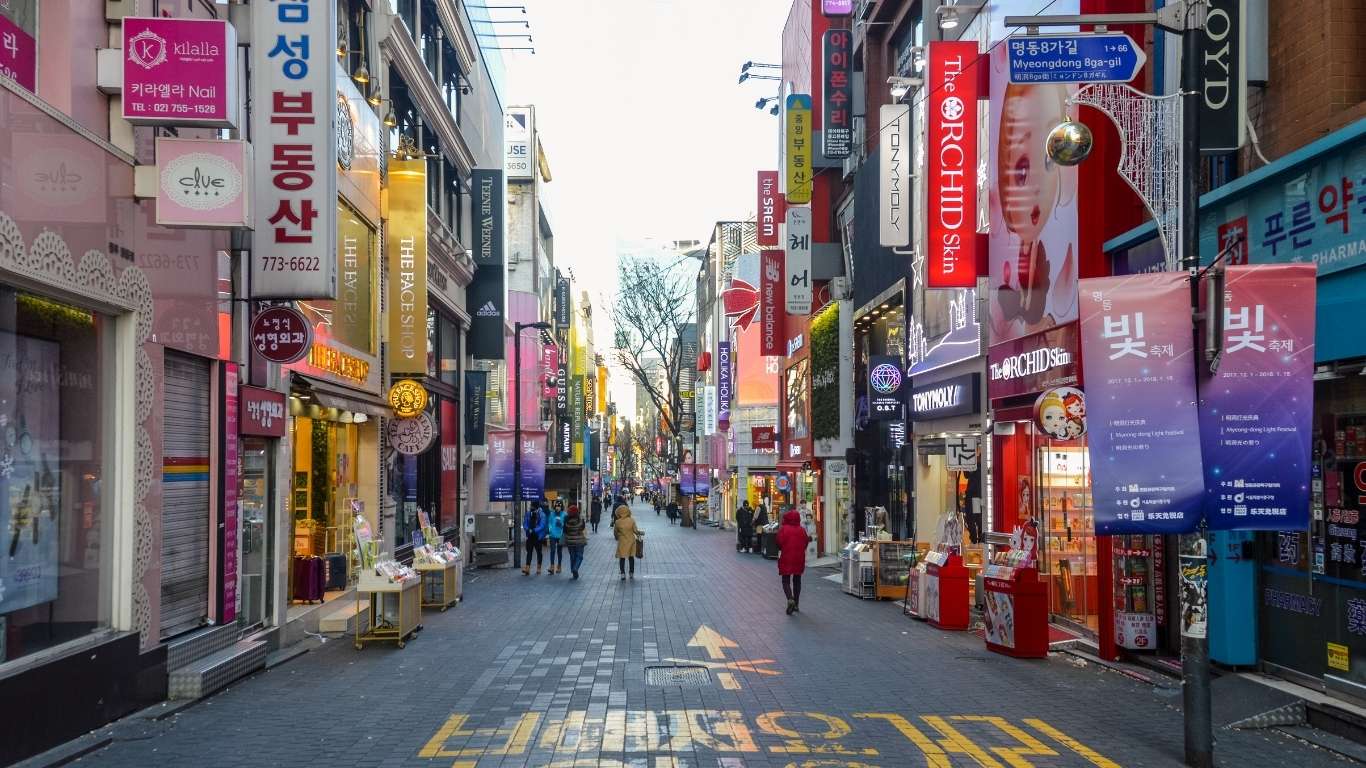
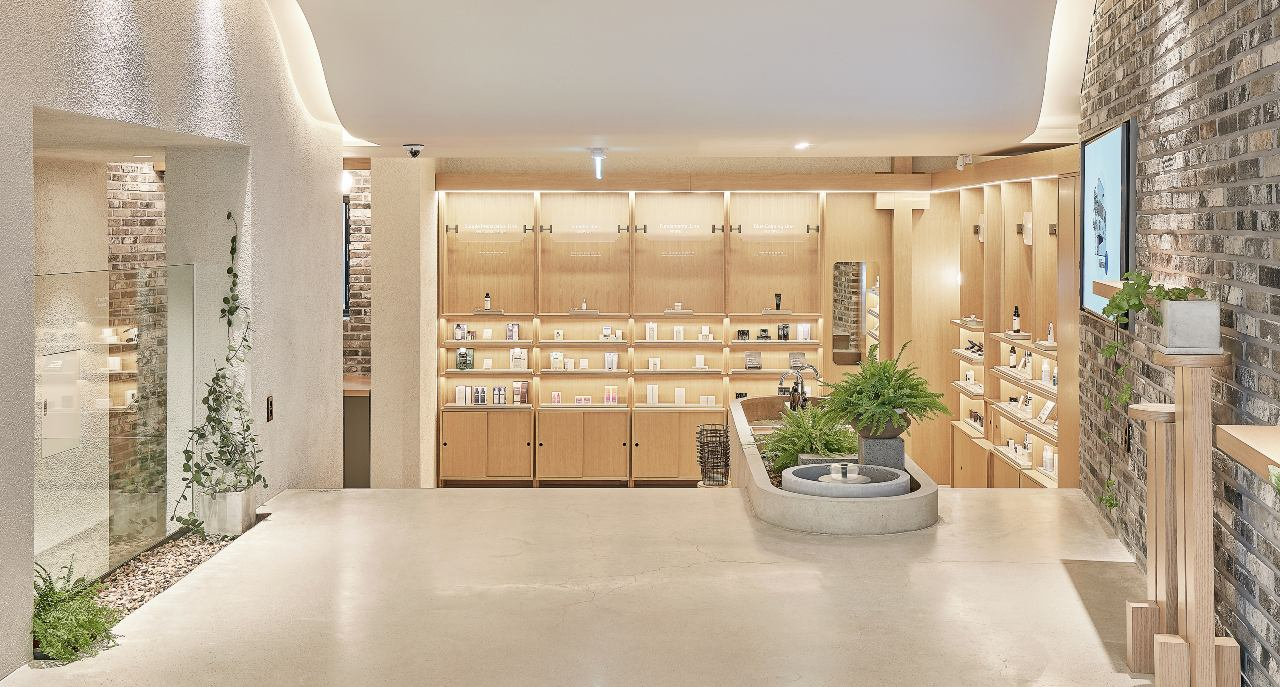
Myeongdong offers a clear image of this new intersection between beauty, consumption, and medicine. For years, it was one of the major stages of Korean beauty retail: skincare stores, flagships, duty-free shops, and a constant flow of visitors looking for products, new routines, and brands. In April 2026, a new layer was added to the area: a medical aesthetics clinic designed for tourists, located within the shopping circuit and intended to offer dermatological treatments without separating visitors from their consumer journey. In that setting, skincare merged with procedures, diagnostics, clinical technology, and specialized services, expanding into a much broader infrastructure of aesthetic and medical care.
In 2025, South Korea surpassed 2 million foreign patients for the first time. Most of that flow was concentrated in dermatology, which accounted for 62.9 percent of cases, while plastic surgery represented 11.2 percent. Seoul absorbed 87.2 percent of the total. The most interesting reading of the data lies not only in its scale, but in its composition. Korean medical tourism today is heavily oriented toward treatments connected to the skin, appearance, maintenance, and visible improvement.
So why do so many people travel thousands of miles to entrust their bodies to South Korea?
It is a decision shaped not only by price, technology, or the speed of service, but by a form of trust that was built over time: in the quality of the formulas, in the sophistication of the industry, in the spaces that turned beauty into part of the travel experience, and more recently, in clinics capable of receiving international patients with increasingly integrated protocols, expertise, and logistics.
That medical prestige was granted by people who had long watched and followed the cultural perception South Korea built around personal care. Skincare was the first layer in the construction of trust, and from there the system expanded into products, experiences, specialized services, and clinical procedures.
South Korea did not simply build a medical destination. It built and reorganized a progressive system of trust, anchored in culture, sustained by industry, and reinforced by experience. Each layer; the routine, the product, the clinic, the journey, became possible because the one before it had already secured legitimacy.
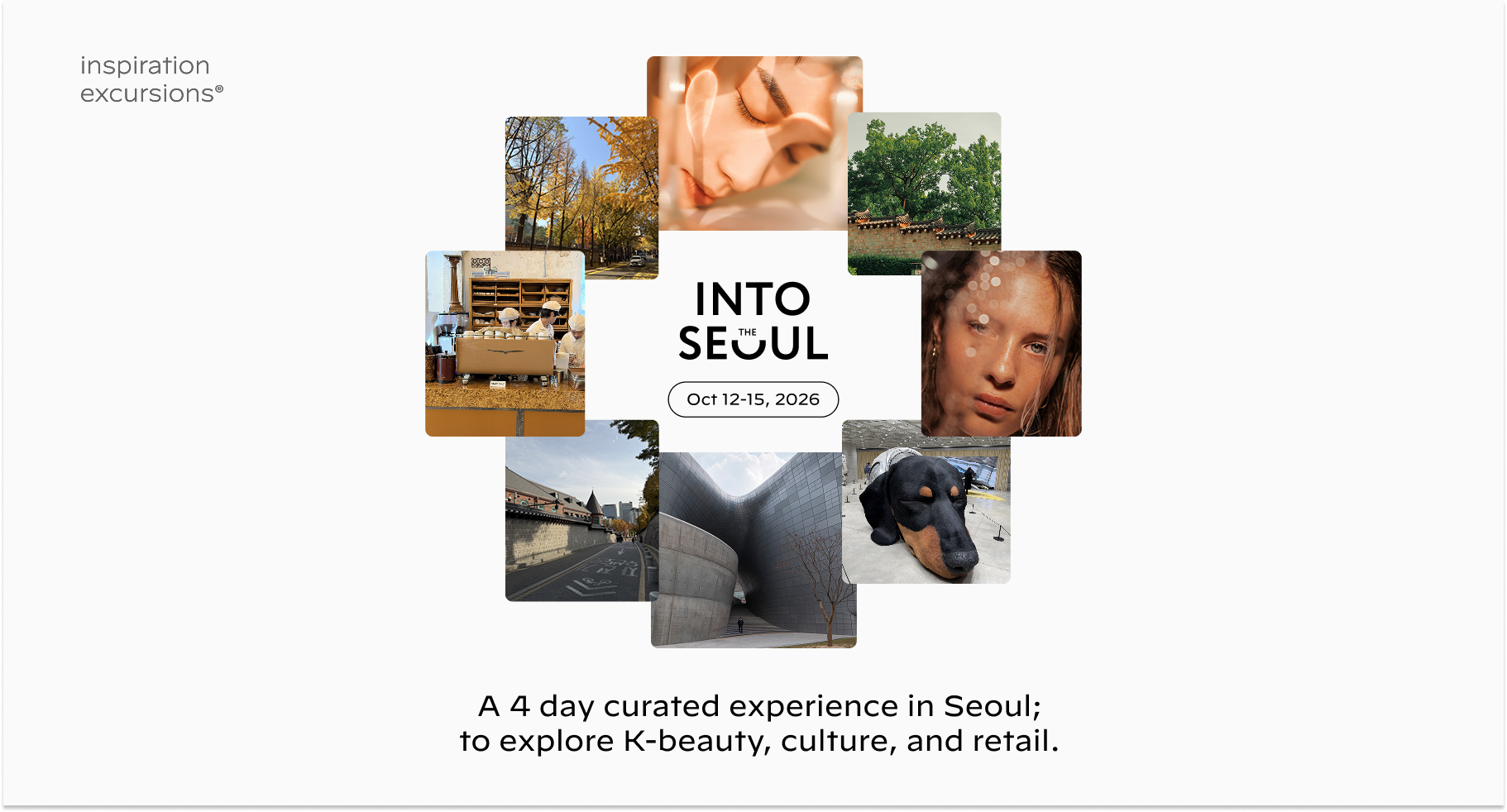
Over four days in Seoul, the logic of that system comes into focus through the spaces where beauty is produced, experienced, and extended into care. An immersion that moves from skincare and retail to dermatology, aesthetics, and strategic observation, tracing how Korea built an ecosystem where trust accumulates over time, desire becomes structure, and an entire city turns care into experience, industry, and destination.
Join us in Seoul and get access to curated experiences, insider conversations, and strategic insights. Request more information here.
The question that remains open, and one Korea is still answering, is whether a system built on the desire for an appearance can also construct a broader idea of care, one tied to health and prevention. Whether K-medicine can become something more than the clinical extension of K-beauty. Whether the body, once inside a system capable of defining, measuring, and optimizing appearance, still fully belongs to oneself.